The best home additions solve more than one problem at a time. They give you room to breathe, make daily life easier, and improve the way the house looks and feels. When they are planned well, they can also protect resale value and, in some cases, raise it.
That last part matters, but it is rarely the only reason people build. Most homeowners start thinking about an addition when the house begins to feel tight or awkward. A new baby arrives. Teenagers suddenly need privacy. Parents move in. A dining room becomes an office, then a classroom, then a place where unopened mail goes to die. At some point, the question shifts from “Can we make this work?” to “Should we add on?”
I have seen people jump straight to square footage and miss the bigger opportunity. More space helps, of course, but the most successful projects improve circulation, daylight, storage, and comfort at the same time. A smart addition is not just bigger. It is more useful.
Why some additions pay off better than others
Not all added square footage is equal. A dark room at the back of the house with no real purpose will not perform like a well-designed primary suite, a family room that opens to the yard, or a bathroom renovation that finally gives the household enough function for busy mornings.
Value comes from a mix of practical use and emotional appeal. Buyers respond to additions that feel like they belong to the original home, not ones that look tacked on as an afterthought. They also notice whether the work solves real pain points. An extra bathroom in a one-bath house can be transformative. A deck enclosure that lets a family use outdoor space for three extra seasons can change how the property lives. A modest bump-out that creates room for an island and a pantry may do more for daily life than a giant bonus room nobody knows how to furnish.
The quality of construction matters just as much as the idea itself. A strong concept can still disappoint if the windows do not line up, the floors slope, or the HVAC cannot keep up. That is where the right team matters. A seasoned home remodeling company will usually spend as much time talking through traffic flow, structure, and finish continuity as it does discussing paint colors and tile.
The additions homeowners rarely regret
There are a few categories that keep proving their worth because they meet people where they actually live.
Expanding the kitchen and living zone
Open-plan spaces are not automatically better, but cramped kitchens almost always create friction. If the cooktop is squeezed into a corner, if the refrigerator door blocks a walkway, or if two people cannot move around each other without bumping hips, that is not a lifestyle issue. It is a design issue.
A kitchen addition does not have to be huge to change the experience of the house. Sometimes four to six extra feet in the right direction is enough to add a functional island, improve cabinet layout, and create sightlines to the backyard. In older homes, this kind of expansion often fixes another problem too, uneven flow between rooms. When done carefully, it can make the entire first floor feel calmer and more connected.
The long-term value here comes from both use and marketability. Buyers tend to respond strongly to kitchens that feel generous, bright, and well organized. Even when resale is years away, the day-to-day payoff is immediate. You feel it every morning when coffee no longer means navigating a bottleneck.
A true primary suite
A lot of houses have a room labeled “primary bedroom” that does not really function like one. It may be large enough for a bed but lack closet space, privacy, or a bathroom that feels comfortable deck installation contractor for adults. Adding a true suite, or reworking an existing wing to create one, can be one of the most meaningful upgrades a homeowner makes.
This is where a bathroom contractor often becomes central to the conversation, because the bath inside the suite is usually what sets the tone. A well-planned bathroom renovation can add far more than luxury. It can improve accessibility, reduce morning conflict, and create storage where there was none. Double vanities, a properly sized shower, better lighting, and smart linen storage all sound straightforward, but getting them to work inside real framing conditions takes experience.
If you are talking with a bathroom remodeling company about a suite addition, ask how they handle waterproofing transitions, ventilation, and noise control. Those are the details that separate a pretty room from one that lasts. I have walked through gorgeous new bathrooms with poor fan placement and weak shower slope, and the problems show up fast. Good tile cannot rescue bad prep.
A second bathroom where the house truly needs one
This may be the least glamorous addition on paper and one of the most valuable in practice. In homes with one full bath and multiple bedrooms, adding another bathroom can dramatically improve livability. It is not just about resale comps. It is about reducing the daily friction that wears people down.
There are trade-offs, of course. A small added bath can feel cramped if every fixture is undersized. Plumbing runs can get expensive when the new space is far from existing lines. Ceiling heights in converted attic or dormer spaces may limit what you can do. A skilled bathroom contractor will tell you early whether the plan is workable or whether the better move is to steal square footage from an adjacent closet or bedroom.
This is also one area where homeowners sometimes overspend on finish and underspend on layout. I would rather see a slightly simpler tile package with enough clearance at the vanity and a shower that actually feels comfortable than a room packed with expensive material but no elbow room.
Outdoor living that functions like real square footage
A deck is not just a platform for a grill anymore. When designed well, it becomes part of how the home works. It can create a natural transition from kitchen or family room to yard, expand entertaining space, and make a small interior feel larger because the eye carries outward.
That said, deck work is one of the areas where quality varies wildly. If you are hiring a deck builder, pay attention to framing philosophy, footing depth, ledger attachment, flashing, guard details, and stair geometry. Surface boards get the attention because they are visible. The structure is what determines whether the deck still feels solid ten years from now.
A good deck contractor will also ask how you plan to use the space. Dining for eight needs a different layout than a quiet morning coffee spot. Sun exposure matters. Privacy matters. So does furniture scale. I have seen beautiful decks that looked generous on the plan but became awkward once a table and chairs were placed.
Deck enclosures are worth special mention because they occupy a sweet spot between addition and outdoor room. A screened enclosure, covered deck, or three-season room can extend the useful life of the space far beyond summer. For families who love being outside but hate bugs, harsh sun, or sudden rain, these projects punch above their weight. If you are interviewing a contractor for deck work, ask whether the structure is being designed to support an enclosure from the start, even if you plan to add it later. That kind of foresight can save major cost down the road.
Matching the addition to the house, not just the wish list
A successful addition feels inevitable, like the house always wanted to become this version of itself. That does not happen by accident.
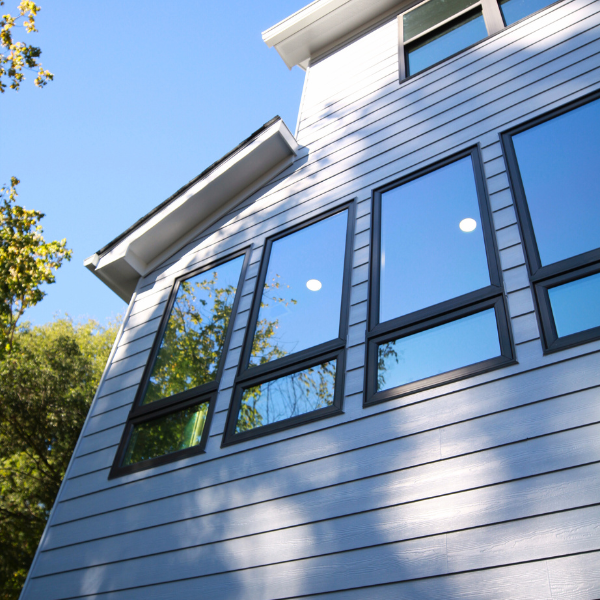
Rooflines, window proportions, siding exposure, trim depth, and foundation height all need attention. On older homes, even the mortar color or fascia profile can make the difference between cohesive and clumsy. I have seen projects with excellent floor plans lose visual value because the outside looked disconnected, like two different houses sharing a wall.
Inside, continuity matters too. Floor elevation changes should be handled carefully. Ceiling transitions should make sense. If the original home has thick casing and solid-core doors, dropping in builder-grade trim in the addition will feel wrong, even to people who cannot explain why. The goal is not to create a fake old room if the addition is new. It is to make the entire home feel considered.
This is one reason many homeowners choose a full-service home remodeling company instead of piecing together separate trades themselves. Good integration takes coordination between design, framing, mechanical systems, finish carpentry, and schedule. When those pieces are managed under one roof, the odds of a smoother result usually improve.
Where projects go sideways
The biggest mistakes tend to happen before construction begins. Homeowners get excited about a dream image and skip the boring questions that determine whether the project will actually perform.
Budget is the obvious one, but it is not only about the total number. It is about where the money goes. A room addition has hidden cost centers that people often underestimate, foundation work, structural beams, insulation upgrades, electrical service changes, HVAC capacity, and exterior drainage among them. Finish choices matter, but they are only part of the equation.
The next problem is underestimating permitting and zoning. Setbacks, lot coverage limits, stormwater requirements, easements, septic constraints, and HOA rules can all reshape a plan. Even when the desired addition is technically allowed, the most obvious placement may not be the best one once grading, window exposure, and circulation are considered.
Then there is timing. Homeowners often assume the build will be the hard part and that planning will move quickly. In reality, thoughtful design, revisions, pricing, engineering, and permit review can take substantial time. Rushing this stage tends to create expensive surprises later.
Here are the warning signs I tell people to watch for when choosing a contractor:
The estimate is dramatically lower than the others and light on detail. The contractor brushes off permits or says they are unnecessary before reviewing the actual scope. Questions about waterproofing, structural support, or ventilation get vague answers. Nobody asks how the family uses the space now, or what is not working. The proposed design ignores the look and proportions of the existing house.Those red flags show up in all kinds of projects, whether you are hiring a bathroom remodeling company, a contractor to build decks, or a general home remodeling company for a large addition.
Bathrooms inside additions deserve extra care
Bathrooms have more ways to fail than almost any other room. Water finds weaknesses. Steam exposes ventilation mistakes. Tight layouts reveal every inch of bad planning. That is why bathroom work inside an addition needs a serious approach from the start.
If you are adding a primary suite or creating a new guest wing, spend time on the functional details before talking about finishes. Where do towels go? Can two people move comfortably at once? Is there enough wall space for mirrors and sconces? Does the shower location allow for proper slope and easy cleaning? Will the fan actually vent effectively, and quietly enough that people use it?
A reliable bathroom remodeling company should be able to walk you through these choices in practical terms. The best ones do not sell only the glamorous side of bathroom renovation. They talk about substrate prep, shower niches that do not interrupt waterproofing, and why certain fixture placements reduce splash and maintenance. That kind of advice comes from field experience, not just from a catalog.
There is also a long-term accessibility angle that more homeowners are considering. Even if you do not need aging-in-place features now, a curbless shower, wider doorway, blocking for future grab bars, and comfortable clearances can make the room more adaptable later. These moves do not have to make the space feel clinical. In many cases, they simply make it work better.
Decks and enclosures that feel intentional
Outdoor additions can increase enjoyment faster than almost anything else, but they should be approached with the same seriousness as indoor space. A deck that is too small, too exposed, or disconnected from the house can end up underused. A thoughtful one can become the default place for dinners, homework, and quiet weekends.
When clients ask whether to build open or covered, I usually push the conversation toward climate and habits. In hot areas, shade often matters more than raw square footage. In wet climates, a roof can turn a deck from occasional use into daily use. If mosquitoes are relentless, deck enclosures may be worth every penny, especially for families who want to keep doors open without inviting the outdoors all the way in.
Material choices should match maintenance tolerance, not just style goals. Some homeowners love the look and feel of real wood and do not mind periodic contractor for deck upkeep. Others want a lower-maintenance composite surface and are happy to trade a little authenticity for convenience. Neither choice is universally right. What matters is being honest about how much care you will actually give the structure five years from now.
If you are interviewing a contractor for deck work, whether a deck builder, deck contractor, or contractor for deck installation, ask to see older projects, not only fresh ones. A deck looks good on day one almost by default. The real test is how it ages, how the boards move, how the railings feel, and whether the stairs stay comfortable and safe.
The smartest additions are often modest
It is easy to assume that bigger means better. In practice, some of the best returns come from additions that are carefully targeted. A mudroom that captures backpacks, shoes, and sports gear can change the feel of the whole house. A laundry room moved out of a hallway can reduce visual clutter and noise. A breakfast nook addition with windows on two sides may become the most loved spot in the home.
The reason modest projects can outperform giant ones is simple. They solve specific problems without overcomplicating the house. They are also easier to integrate structurally and aesthetically. That does not mean large additions are a mistake. It means scale should follow purpose.
I remember one project where the owners originally wanted a major second-story expansion. After a few rounds of planning, they instead added a rear family room, reworked the kitchen, and tucked in a powder room and mudroom. The total square footage added was far less than the first concept, but the house functioned dramatically better. They spent less, the exterior stayed balanced, and nothing about the final result felt excessive.
Budgeting with clear eyes
Construction costs vary by market, site conditions, complexity, and finish level, so broad national averages are only rough reference points. What matters more is understanding the cost drivers on your specific property.
Foundation work, structural steel, roofing tie-ins, relocating utilities, and custom windows can move numbers quickly. So can difficult access. A backyard addition with tight equipment access may cost more to build than a similar one on an open lot. Bathrooms and kitchens typically cost more per square foot than bedrooms because they require more labor, more trades, and more finish intensity.
The healthiest way to budget is to separate must-haves from preferences early. That allows the design team to protect the core function of the project while giving you flexibility on finishes, built-ins, or premium features if pricing comes in high. Too many people make every decision feel equally sacred, then get blindsided when the estimate lands.
A solid builder or home remodeling company should also discuss contingency. In existing homes, surprises happen. Once walls open, hidden plumbing issues, outdated wiring, undersized framing, or previous DIY work can change the scope. Planning a cushion is not pessimistic. It is realistic.
Choosing the right team for the job
The right contractor does more than build what is on the drawing. They help pressure-test the idea before it becomes expensive. They point out when a hallway is too narrow, when a beam depth will affect ceiling height, or when moving a bathroom stack ten feet can save significant money without sacrificing function.
That applies whether you are hiring a bathroom contractor for a suite addition, a bathroom remodeling company for a substantial bathroom renovation, or a contractor to build decks and deck enclosures that truly integrate with the home. Specialization matters, but so does communication. The best projects come from teams that explain trade-offs clearly and do not hide behind jargon.
A few questions can reveal a lot. Ask how they handle changes once work begins. Ask who supervises the site daily. Ask what tends to surprise homeowners in projects like yours. Ask how they protect the existing house from dust, weather, and foot traffic. Experienced professionals usually answer these without drama because they have dealt with the realities many times before.
Adding space without losing the character of home
The point of an addition is not just to make the house larger. It is to make life work better inside it. The families happiest with their projects are usually the ones who looked beyond square footage and focused on comfort, flow, light, storage, and durability.
That might mean a new suite and bathroom that bring privacy and ease. It might mean a deck enclosure that turns a neglected backyard into a favorite room. It might mean partnering with a trusted deck contractor, bathroom contractor, or home remodeling company that sees the whole picture instead of only one trade.
The best home additions feel natural when you are in them. They support real routines. They age well. And years later, they still seem like one of the smartest things you did for the house.